The RIBA National Awards are annual awards from the Royal Institute of British Architects for UK buildings that make a significant contribution to architecture, chosen from that year’s RIBA regional winners. In 2026 there were 32. The route in for 2027 is a RIBA UK Award entry, open November 10, 2026 to January 14, 2027 (as of November 2026).
What the RIBA National Awards are
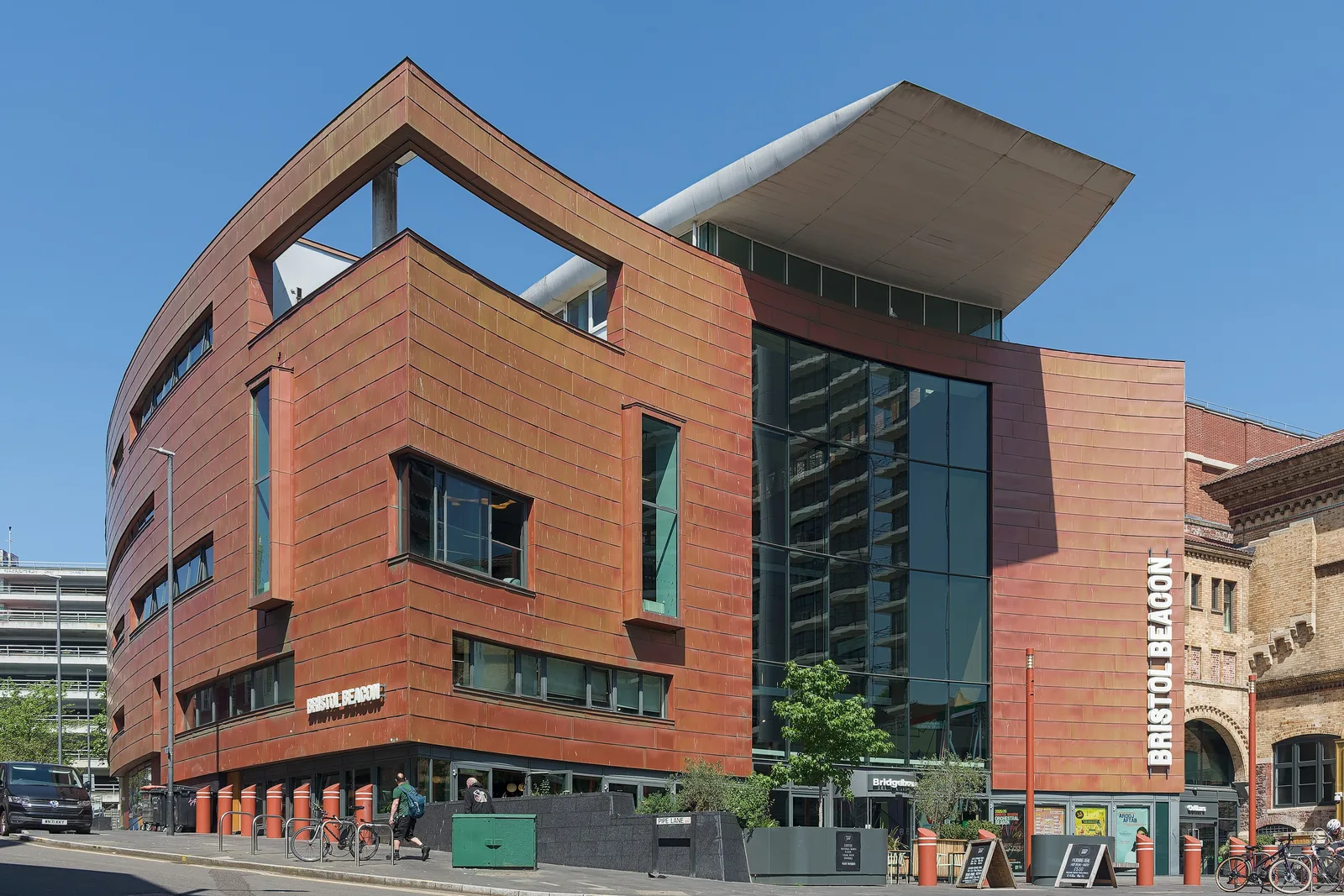
RIBA runs a three-tier UK program. Projects enter the regional awards, the regional winners are considered for a National Award, and the RIBA Stirling Prize shortlist is drawn from the National Award winners. The official National Awards page lists the 32 winners of 2026, from a 65-home affordable Passivhaus scheme in East London and the refurbished Bristol Beacon concert hall to Paddington Square at Paddington station and two buildings for the York Minster Centre of Excellence.
Scotland and Northern Ireland have their own front doors. Scottish projects enter the RIAS Awards, and all RIAS Award winners are considered for a National Award alongside RIBA regional winners; Northern Ireland projects enter the RSUA Awards. The 2026 list includes a new-build project in the Highland village of Plockton.
How to enter
You enter through the RIBA UK Awards; there is no separate National Award entry. The 2027 entry requirements set the rules:
- Entries open November 10, 2026 and close January 14, 2027, with early bird rates until December 10, 2026.
- The project director must be a chartered member of RIBA, RSAW, RIAS or RSUA, or a RIBA International Affiliate member; new members must have applied by January 7, 2027.
- Projects must be completed between January 2024 and January 2026 and occupied by January 2026, with the client’s permission.
- Entries must meet RIBA’s sustainability criteria, with actual energy data, water use and carbon calculations.
Fees depend on construction cost and exclude VAT: GBP 99 or 125 under GBP 500,000, GBP 270 or 335 up to GBP 2.5 million, GBP 510 or 640 up to GBP 10 million, and GBP 770 or 960 above that, at early bird or standard rates. RIBA members get 20 percent off the standard fee, and RIBA considers discounted or free entry for practices that cannot afford it.
💡 Pro Tip
Start the operational data collection the day the building is occupied. The UK Awards sustainability guide asks for measured energy and water figures tied to the occupancy level during the data period, and that evidence cannot be rebuilt after the deadline.
What the jury looks for
Every RIBA jury uses the same ten criteria. They ask whether a building is skilfully composed in plan, section and elevation; whether it shows ambition and responds to its context; how it meets or exceeds the client’s brief and contributes to society; whether it is durable, adaptable and well made; how it uses materials, existing structures and resources; how it treats listed buildings and historic settings; whether it reaches the highest standard of inclusive accessibility; and how generously it treats public space. Differences in scale, budget and procurement are taken into account.
No project wins without a visit. Regional juries review entries, agree a shortlist and visit every shortlisted project; a typical visit is a 45-minute tour with the client and design team, and building users where appropriate.
🏗️ Real-World Example
Harold Moody Health Centre (South East London, National Award 2026): a neighborhood health center by Morris+Company for the London Borough of Southwark and Notting Hill Genesis, part of the Aylesbury Estate regeneration. The award page notes that the jury praised the council’s determination to achieve exemplary design quality and bring institutional partners together.
Tips for a stronger entry
The RIBA National Awards reward buildings that work for the people who use them, and the jury will meet those people on site.
- Write the 350 word project description around the client’s brief and what the building now does for its users, not only how it looks.
- Credit the client and the full team; the jury notices when a client’s ambition drove the result, as in the Harold Moody example.
- Use five strong press images, real photographs only, at least 2,000 by 1,200 pixels and under 3 MB, without text or logos.
- Keep the project name neutral; RIBA asks that it not reveal the location or client identity.
House of the Year and the Stirling Prize both draw on this program. Compare the dates in the deadline calendar, and see how we verify each profile.